Provenance Tracing of Bicentennial Imperial Bonsai
The Century-Long Custodial Records
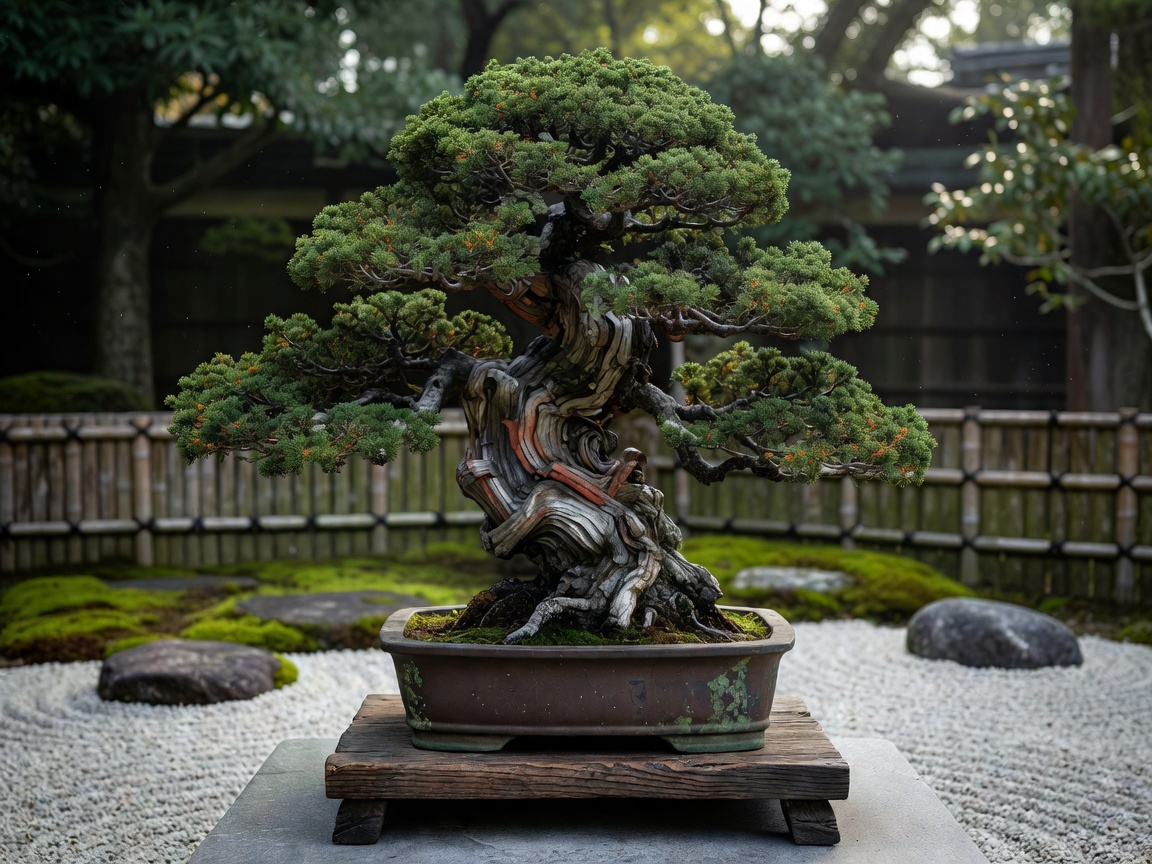
A miniature tree growing in a ceramic tray represents a living sculpture spanning generations. In high-value historic Bonsai, especially specimens exceeding 200 years of training age, tracing absolute custody is as important as verifying fine museum canvases.
Many imperial specimens from Japanese Meiji and Edo periods carry precise written ledger histories outlining master training techniques, root pruning intervals, structural wire alignments, and historic transitions between collectors.
Soil Profile Verification Method
Establishing absolute authenticity of an ancient Bonsai involves examining soil composition layers and pot history. We employ microscopic analysis of the internal akadama soil mixtures and mycorrhizal fungus populations. Since specific regional clay pots were stamped by master 19th-century ceramic artists, the visual and physical properties of the container serve as crucial verification proof.
Collection Maximums partners with expert physical inspectors to generate extensive diagnostic records, guaranteeing protection of the living sculpture's heritage.